
 cn.
cn. en.
en.


Why is wireless charging not popular?
2017-03-06
Since this year, with the emergence of various black technologies of iPhone, the "wireless charging" technology has attracted much attention from all walks of life. In fact, this black technology was pushed to the forefront of scientific and technological trends at the beginning of its launch. After a period of experience, many users are disappointed in this technology, because it can not bring a better charging experience.
In fact, wireless charging is not more convenient than wired charging, because most wireless charging requires additional equipment. In other words, you still need to plug a receiver into your mobile phone. It is worth noting that there are three types of wireless charging on the market.
Magnetic induction wireless charging
As far as the situation is concerned, the most common wireless charging technology on the market is magnetic induction wireless charging. The principle of magnetic induction corresponds to the theory of electromagnetism, which has a history of more than 100 years. As early as 2009, Palm Pre mobile phones began to use magnetic induction wireless charging technology. It is understood that Palm was once brilliant in the PDA field, but with the continuous rise of other smart phone brands, it gradually weakened. Even so, Palm's technological breakthrough on this mobile phone still makes people admire it. Although it is a wireless charging technology, it can not get rid of other accessories. It is reported that the Palm Pre requires a wireless charger called "Touchstone" to realize wireless charging.
Since then, other mobile phone brands have followed the trend and introduced similar charging technologies. Such as Nokia Lumia 920, Samsung S8, etc. In addition to the inconvenience of requiring accessories, this charging technology has a big problem - slow charging rate. Some users reported that a mobile phone with a battery capacity of about 3000mAh could be fully charged in about an hour by using the wired fast charging technology, while it took more than three hours to use the latest wireless charger. This is another major reason why wireless charging has not become popular.
Magnetic resonance wireless charging
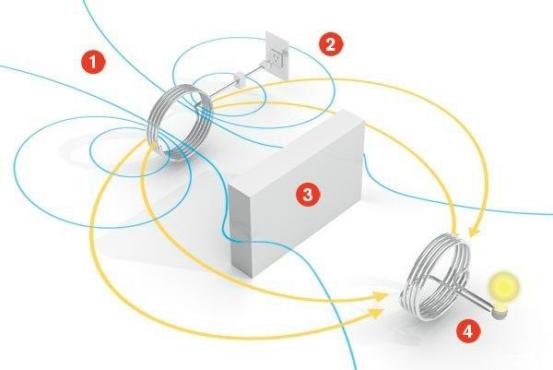
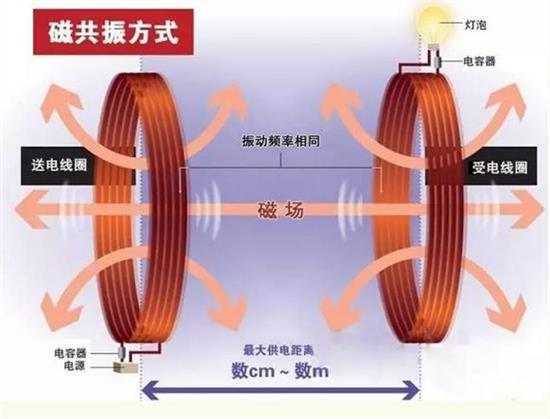
In essence, radio charging technology with resonance is still based on magnetic induction technology. However, compared with the previously mentioned magnetic induction wireless charging technology, the coil coupling of the wireless charger with this technology is better. Not only that, magnetic resonance wireless charging technology has greater power and longer charging distance. When charging, the mobile phone has greater freedom in placement, and multiple mobile phones can be charged at the same time.
It is worth noting that the power of the charging base required for magnetic resonance wireless charging is far greater than the coil in the mobile phone, so generally, the base volume of such wireless charging devices is large. Because of the large power and long transmission distance, the base can be hidden under the table. Mobile phones can be charged at intervals, that is, they can be charged as long as they are placed on the table.
Recently, a company named WF Charge has developed a new wireless charging device. Compared with the wireless charging devices on the market today, the biggest progress of this device is that it can support charging mobile phones and tablets within a range of 10 meters, without the need for mobile phone charger, let alone contact with the device. It is very likely that magnetic resonance wireless charging technology is used.
Electromagnetic wave wireless charging
Compared with the above two wireless charging technologies, the electromagnetic wave wireless charging technology is the most consistent with people's imagination of black technology. Its working principle is to receive energy like a wireless signal, and then charge the mobile phone. In fact, if you want to realize electromagnetic wave charging, the power of the transmitter is required to be very large, because you need to solve the problem of long-distance energy divergence. Of course, it is still uncertain whether this high-power electromagnetic wave will cause harm to the human body.
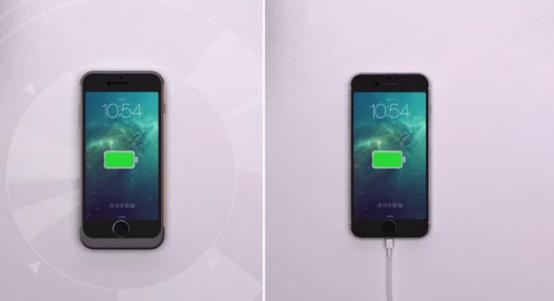 To sum up, there are still many shortcomings in wireless charging technology. As for whether the future wireless charging technology can achieve technological breakthroughs, or whether the future wireless charging technology can be widely used, let's wait and see!
In fact, wireless charging is not more convenient than wired charging, because most wireless charging requires additional equipment. In other words, you still need to plug a receiver into your mobile phone. It is worth noting that there are three types of wireless charging on the market.
Magnetic induction wireless charging
As far as the situation is concerned, the most common wireless charging technology on the market is magnetic induction wireless charging. The principle of magnetic induction corresponds to the theory of electromagnetism, which has a history of more than 100 years. As early as 2009, Palm Pre mobile phones began to use magnetic induction wireless charging technology. It is understood that Palm was once brilliant in the PDA field, but with the continuous rise of other smart phone brands, it gradually weakened. Even so, Palm's technological breakthrough on this mobile phone still makes people admire it. Although it is a wireless charging technology, it can not get rid of other accessories. It is reported that the Palm Pre requires a wireless charger called "Touchstone" to realize wireless charging.
Since then, other mobile phone brands have followed the trend and introduced similar charging technologies. Such as Nokia Lumia 920, Samsung S8, etc. In addition to the inconvenience of requiring accessories, this charging technology has a big problem - slow charging rate. Some users reported that a mobile phone with a battery capacity of about 3000mAh could be fully charged in about an hour by using the wired fast charging technology, while it took more than three hours to use the latest wireless charger. This is another major reason why wireless charging has not become popular.
Magnetic resonance wireless charging
In essence, radio charging technology with resonance is still based on magnetic induction technology. However, compared with the previously mentioned magnetic induction wireless charging technology, the coil coupling of the wireless charger with this technology is better. Not only that, magnetic resonance wireless charging technology has greater power and longer charging distance. When charging, the mobile phone has greater freedom in placement, and multiple mobile phones can be charged at the same time.
It is worth noting that the power of the charging base required for magnetic resonance wireless charging is far greater than the coil in the mobile phone, so generally, the base volume of such wireless charging devices is large. Because of the large power and long transmission distance, the base can be hidden under the table. Mobile phones can be charged at intervals, that is, they can be charged as long as they are placed on the table.
Recently, a company named WF Charge has developed a new wireless charging device. Compared with the wireless charging devices on the market today, the biggest progress of this device is that it can support charging mobile phones and tablets within a range of 10 meters, without the need for mobile phone charger, let alone contact with the device. It is very likely that magnetic resonance wireless charging technology is used.
Electromagnetic wave wireless charging
Compared with the above two wireless charging technologies, the electromagnetic wave wireless charging technology is the most consistent with people's imagination of black technology. Its working principle is to receive energy like a wireless signal, and then charge the mobile phone. In fact, if you want to realize electromagnetic wave charging, the power of the transmitter is required to be very large, because you need to solve the problem of long-distance energy divergence. Of course, it is still uncertain whether this high-power electromagnetic wave will cause harm to the human body.


Copyright ©2022 Dongguan Wortech Intelligent Technology Co., Ltd All Rights Reserved ICP888888888